
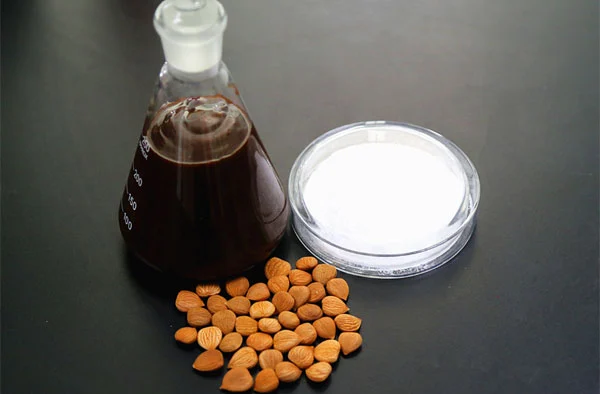
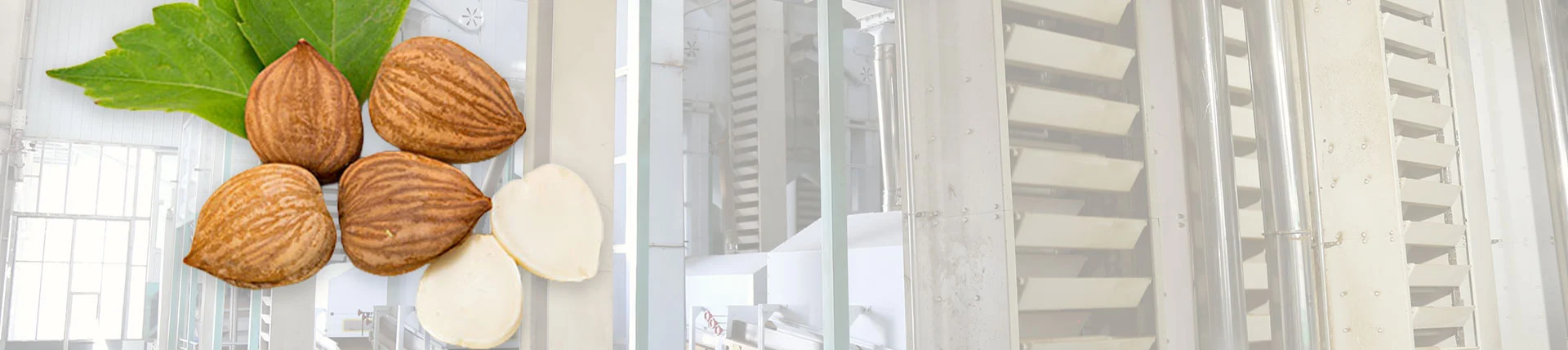
For food manufacturers, herbal ingredient buyers, plant extract producers, and nut ingredient distributors, choosing between sweet apricot kernels and bitter apricot kernels is not only a flavor decision. It affects product application, processing method, regulatory compliance, quality testing, labeling, and end-user safety. As an apricot kernel processor and supplier, Chengde Yaou Nuts & Seeds Co., Ltd. works with different apricot kernel formats, including sweet apricot kernels, bitter apricot kernels, de-bittered apricot kernels, peeled kernels, powder, oil, and extract ingredients. This guide explains how to select the right type for commercial production.
Quick Answer for Food Manufacturers
If your product is a snack, bakery ingredient, confectionery filling, plant-based beverage, nutrition powder, or culinary ingredient, sweet apricot kernels or de-bittered apricot kernels are usually the more practical choice. They provide a mild nutty flavor, easier formulation, and better consumer acceptance.
Bitter apricot kernels should be treated as a controlled specialty raw material. They are used more often in traditional Chinese medicine raw materials, plant extraction, bitter-flavor applications, and regulated formulations where amygdalin and cyanogenic glycosides must be carefully tested and controlled.
Manufacturer Tip
For international food applications, always ask your apricot kernel supplier for a batch-specific COA covering moisture, impurities, microbiology, pesticide residues, heavy metals, aflatoxins, and—when relevant—amygdalin or total extractable cyanide.
What's the Difference Between Bitter and Sweet Apricot Kernels?
Apricot kernels are the seeds found inside the hard pit of apricot fruit. After harvesting, the fruit pulp is removed, the stone is dried or processed, and the shell is cracked to obtain the kernel. Although sweet and bitter apricot kernels look similar, they differ significantly in flavor, chemical profile, application range, and safety-control requirements.
| Comparison Item | Sweet Apricot Kernels | Bitter Apricot Kernels |
|---|---|---|
| Flavor | Mild, nutty, slightly almond-like | Noticeably bitter and stronger in aroma |
| Main Applications | Snacks, bakery, confectionery, cereal blends, plant-based drinks, powder, oil | Traditional Chinese medicine raw materials, plant extraction, specialty flavoring, controlled formulations |
| Consumer Acceptance | Higher for direct food use due to mild taste | Lower for direct consumption because of bitterness and safety concerns |
| Key Quality Concern | Freshness, size uniformity, moisture, rancidity control, contaminants | Amygdalin/cyanogenic glycoside control, dosage suitability, regulatory compliance |
| Best Buyer Type | Food factories, snack brands, bakeries, ingredient distributors | TCM manufacturers, extract plants, herbal ingredient buyers, regulated formulators |
Health Benefits of Sweet Apricot Kernels
For food manufacturers, the value of sweet apricot kernels is mainly nutritional and sensory. They can help improve product texture, add a natural nutty profile, and support clean-label ingredient development.
1. Plant-Based Nutritional Value
Sweet apricot kernels naturally contain plant protein, fats, dietary fiber, minerals, and vitamin-related nutrients. This makes them suitable for nut mixes, cereal products, nutrition bars, bakery toppings, and powdered ingredient blends.
2. Mild Flavor for Food Formulation
Compared with bitter kernels, sweet apricot kernels are easier to incorporate into consumer-facing products because their mild flavor works well with chocolate, grains, dairy alternatives, fruit fillings, honey, sesame, and other nut ingredients.
3. Useful Ingredient for Oil and Powder Processing
Sweet apricot kernels can be processed into apricot kernel powder or apricot kernel oil. Powder is useful in bakery, beverage, and nutrition applications, while oil is widely valued in food, cosmetic, and personal care formulations.
4. Better Fit for Direct Food Products
If the finished product is intended for general consumer eating occasions, sweet apricot kernels usually offer a more stable path for product development because they reduce bitterness-related formulation challenges.
Health Benefits of Bitter Apricot Kernels
Bitter apricot kernels have a long history in traditional herbal systems, especially as a Chinese traditional medicine raw material. In ingredient sourcing, however, it is important to separate traditional use from modern food-safety responsibility.
1. Traditional Chinese Medicine Raw Material Value
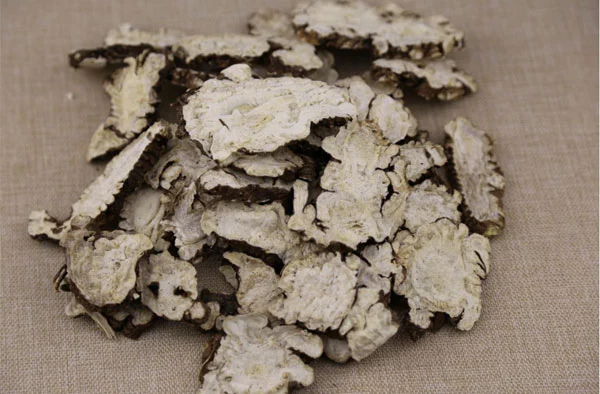
Bitter apricot kernels, also known in Chinese herbal material contexts as Ku Xing Ren, are traditionally associated with respiratory and intestinal formulations. For TCM manufacturers, the key value is not ordinary snack nutrition, but controlled botanical identity, proper processing, and stable active-marker management.
2. Plant Extraction Potential
Bitter apricot kernels are used by some extraction manufacturers because they contain characteristic compounds such as amygdalin. For extract buyers, this creates both an application opportunity and a quality-control responsibility. Specifications should clearly define botanical source, processing status, amygdalin range, residual solvent limits when applicable, and safety documentation.
3. Distinctive Bitter Flavor for Specialized Formulations
In some markets, bitter notes are used in traditional foods, flavor systems, or herbal-style products. However, bitter apricot kernels should never be treated like ordinary snack nuts. Any food use must follow local regulations, validated processing, and controlled dosage design.
Important Safety Note
Bitter apricot kernels naturally contain cyanogenic glycosides, mainly amygdalin, which can release cyanide after digestion. They should not be promoted as a cancer cure or disease-treatment product. Food, supplement, and herbal manufacturers should verify local regulations and request lot-specific testing before purchase.
How Processing Changes Application and Safety
Apricot kernel processing is a critical factor for industrial buyers. The same raw material can perform very differently after sorting, peeling, de-bittering, drying, grinding, pressing, or extraction.
Whole Sweet Apricot Kernels
Suitable for nut mixes, snack packs, food toppings, confectionery, and ingredient distribution. Buyers should focus on kernel size, color, broken rate, moisture, odor, and freshness.
Peeled Sweet Apricot Kernels
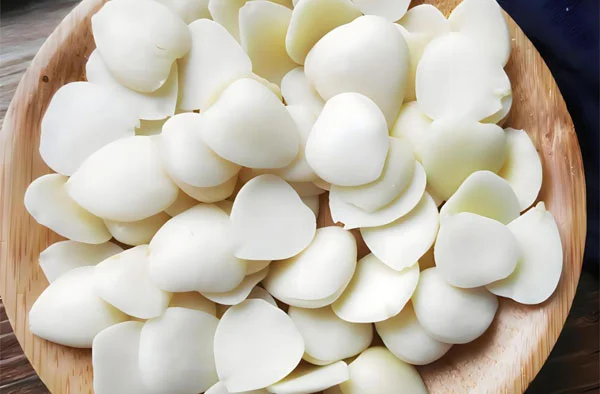
Peeling improves visual appeal and can reduce skin-related bitterness. This format is useful for premium bakery, confectionery, plant-based beverages, and high-end ingredient blends.
De-Bittered Apricot Kernels
De-bittered kernels are processed to reduce bitterness and improve food usability. They are a practical bridge between traditional apricot kernel flavor and modern food-manufacturing requirements.
Apricot Kernel Powder
Powder provides easier dosing and blending in bakery premixes, beverages, nutrition products, sauces, and cosmetic exfoliating formulations. Particle size, microbial control, and oxidation protection are important specifications.
Apricot Kernel Oil
Oil is valued for smooth texture and formulation flexibility. For oil buyers, key indicators include extraction method, color, odor, acid value, peroxide value, packaging, and shelf-life management.
Bitter Apricot Kernel Extract
Extract products require tighter technical discussion. Buyers should confirm extraction ratio, active markers, solvent system, contaminant limits, intended application, and target-market compliance before placing an order.
Which Type Should You Choose?
The right choice depends on your product category, target market, taste profile, regulatory environment, and processing capacity.
| Your Application | Recommended Apricot Kernel Type | Why |
|---|---|---|
| Snack foods and nut mixes | Sweet apricot kernels | Mild flavor, better consumer acceptance, easier formulation |
| Bakery and confectionery | Peeled sweet kernels or apricot kernel powder | Cleaner appearance, stable blending, pleasant nutty profile |
| Plant-based drinks and dairy alternatives | De-bittered kernels or fine powder | Lower bitterness and smoother processing performance |
| Cosmetic and personal care formulations | Apricot kernel oil or fine powder | Useful for oil-based formulations, scrubs, and skincare textures |
| Traditional Chinese medicine raw materials | Bitter apricot kernels | Traditional raw material identity and controlled botanical use |
| Plant extraction | Bitter apricot kernels or bitter kernel extract | Requires defined active markers and strict quality testing |
If you are not sure which format fits your product, send your application, target market, expected annual quantity, and processing method to YAOU. Our team can recommend a suitable specification and packaging solution.
Quality Control Checklist for Apricot Kernel Buyers
Before purchasing apricot kernels in bulk, professional buyers should evaluate more than price. A reliable supplier should be able to support stable sourcing, controlled processing, documentation, and export-ready packaging.
Botanical and product identity: sweet, bitter, de-bittered, peeled, powder, oil, or extract.
Appearance: kernel size, fullness, color, broken rate, mold, and foreign matter.
Moisture control: important for shelf life and mold prevention.
Food-safety testing: microbiology, heavy metals, pesticide residues, aflatoxins, and other contaminants.
Amygdalin or cyanide-related testing: especially important for bitter kernels and regulated food markets.
Processing method: cleaning, sorting, peeling, de-bittering, drying, grinding, pressing, or extraction.
Packaging: moisture-proof, oxidation-resistant, export suitable, and clearly labeled.
Traceability: origin, production batch, processing date, and shipment documentation.
Supplier capability: consistent supply, technical communication, sample support, and customized specifications.
Why Work with YAOU for Apricot Kernel Ingredients?
As an experienced apricot kernels manufacturer based in northern China, YAOU specializes in apricot kernel sourcing, processing, plant extraction, and traditional Chinese medicine raw materials. We support global buyers with consistent quality and practical product guidance.
Whether you need sweet apricot kernels for food manufacturing, de-bittered kernels for beverage or bakery development, bitter apricot kernels for herbal raw materials, or apricot kernel oil and powder for further processing, YAOU can help match the right ingredient format to your commercial application.
Request Apricot Kernel Samples or Specifications
Tell us your target application, market, packaging requirement, and order quantity. YAOU will recommend a suitable apricot kernel type and provide specification support for your purchasing evaluation.
Contact YAOU for Apricot Kernel Supply
FAQs About Sweet and Bitter Apricot Kernels
Are sweet apricot kernels safer than bitter apricot kernels?
Sweet apricot kernels are generally more suitable for food applications because they have a milder taste and lower bitterness. However, all apricot kernel ingredients should be sourced from qualified suppliers and tested according to the target market’s requirements.
Can bitter apricot kernels be used in food manufacturing?
Bitter apricot kernels may be used only in controlled applications where local regulations, processing methods, and safety limits are clearly understood. For general snack or bakery products, sweet or de-bittered kernels are usually more practical.
Are bitter apricot kernels a cancer treatment?
Bitter apricot kernels should not be marketed as a cancer treatment, cure, or prevention product. Their amygdalin content requires careful safety control and regulatory review.
What is the best apricot kernel type for bakery products?
Peeled sweet apricot kernels, sweet apricot kernel pieces, or apricot kernel powder are often suitable for bakery applications because they provide a mild nutty taste and easier formulation.
What documents should I request from an apricot kernel supplier?
Ask for product specifications, COA, origin information, processing method, microbiological test results, contaminant testing, packaging details, shelf life, and export documents. For bitter kernels, request amygdalin or cyanide-related testing when required.


 Products
