Evaluating apricot kernel powder goes beyond price and appearance. For manufacturers and ingredient buyers, the focus should be on raw material type, particle size, batch consistency, and application performance. This guide explains the key factors buyers should consider when evaluating apricot kernel powder and selecting the right product grade for their needs.
What Is Apricot Kernel Powder?
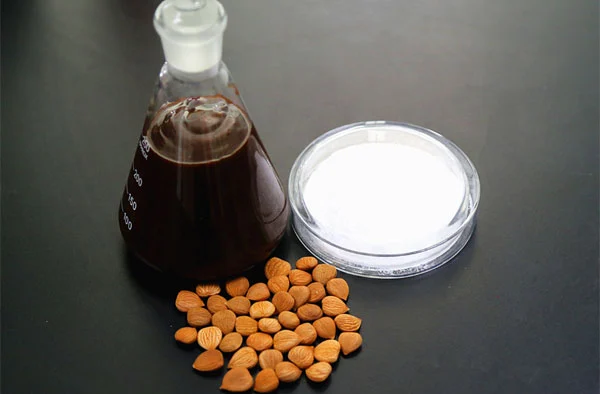
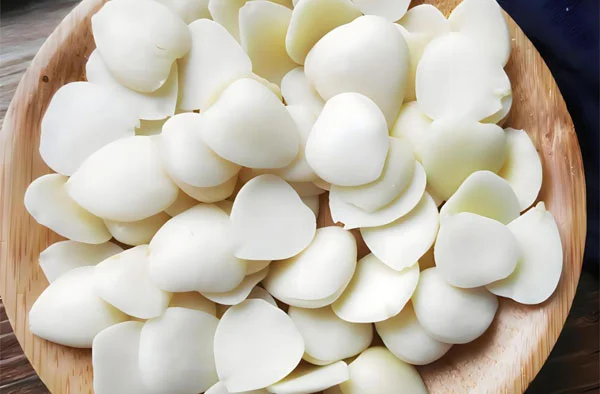
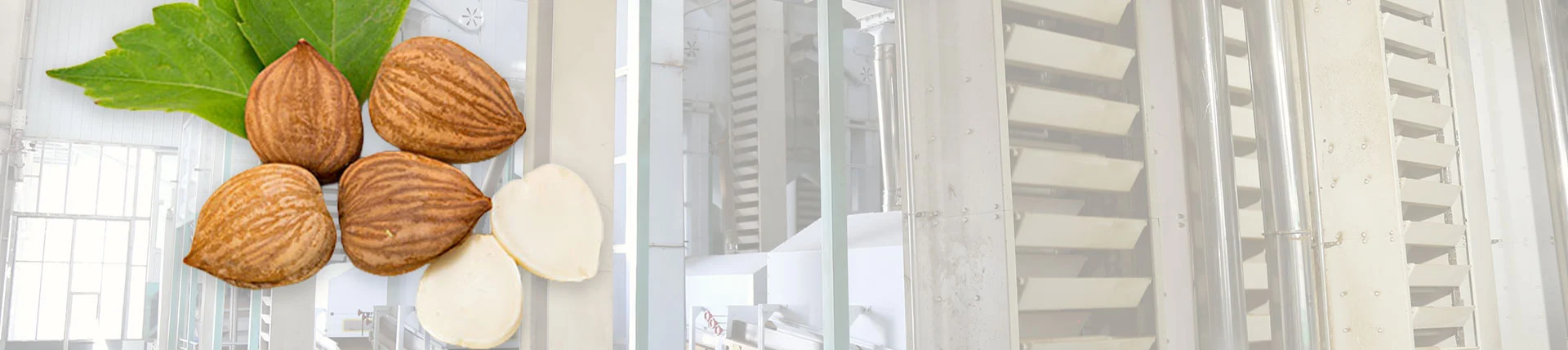
Apricot kernel powder is a plant-based ingredient made by grinding the inner kernel of apricot stones (Prunus armeniaca) into fine powder. Rich in protein (20-25%), healthy fats (40-50%), and dietary fiber, it's used across food, beverage, and cosmetic applications. The powder can be produced from sweet or bitter kernels, peeled or unpeeled, with particle sizes ranging from 100 to 400 mesh depending on processing requirements. Unlike apricot shell powder—which comes from the hard outer husk—apricot kernel powder offers nutritional and functional properties suited for formulation use.
Apricot Kernel Powder vs Apricot Stone Powder: Understanding the Difference
One of the most important purchasing considerations is distinguishing apricot kernel powder from apricot stone powder.
Although both materials originate from apricot pits, they are produced from different parts of the fruit.
| Comparison | Apricot Kernel Powder | Apricot Stone/Shell Powder |
|---|---|---|
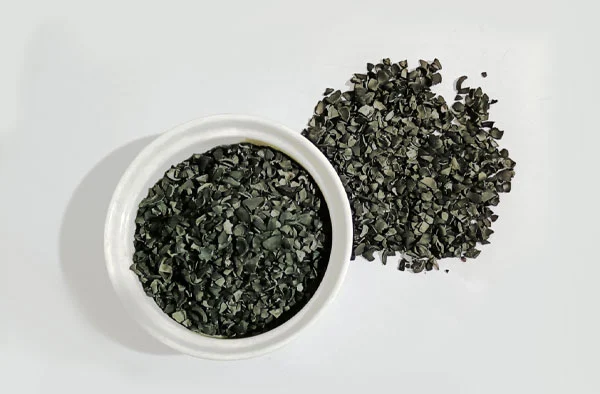
| Raw material | Inner apricot kernel | Outer hard shell |
| Texture | Softer and finer | Harder and more abrasive |
| Main characteristics | Ingredient-oriented properties | Physical abrasive properties |
| Common applications | Food, beverage, formulated products | Exfoliation, polishing, industrial uses |
How Particle Size Determines Apricot Kernel Powder Performance
Particle size is one of the most critical specifications when evaluating apricot kernel powder. The same raw material can perform very differently depending on its particle-size distribution.
A finer powder typically offers:
Smoother texture
Better dispersion in formulations
More uniform appearance
Easier processing
A coarser powder typically offers:
More visible particles
Distinct texture characteristics
Stronger physical presence in formulations
The ideal particle size depends entirely on your end application.
Particle Size Considerations for Food Applications
For food manufacturers, particle size directly affects mouthfeel, mixing behavior, product consistency, and overall sensory performance. In bakery products, fillings, and dry mixes, the powder should integrate evenly without clumping or creating unwanted texture variations.
Particle Size Considerations for Beverage Applications
For beverage powders and drink formulations, focus on dispersion ability, sedimentation behavior, compatibility with other ingredients, and stability during storage. A powder that blends well in dry mixes may behave differently when suspended in liquid systems.
Particle Size Considerations for Cosmetic Applications
In cosmetic formulations, particle characteristics influence skin feel, texture, product uniformity, and formula compatibility. Keep in mind that apricot kernel powder and apricot shell powder have distinctly different physical properties—they're not interchangeable in cosmetic applications.
What Specifications Should Buyers Compare Before Ordering?
A reliable evaluation should be based on documented specifications rather than appearance alone.
Before purchasing apricot kernel powder, buyers should compare:
Particle Size Specification
Confirm:
Available mesh sizes
Particle-size range
Testing method
Batch consistency
A description such as “fine powder” is not enough for industrial purchasing.
Processing Requirements
Different applications may require different processing options.
Buyers should confirm whether the supplier can provide:
Customized particle sizes
Different processing grades
Specific packaging formats
Consistent production batches
Product Consistency
For commercial production, consistency is often more important than a single high-quality sample.
Buyers should evaluate:
Batch-to-batch stability
Supplier production capability
Long-term supply reliability
A powder that performs well in one sample should also maintain similar performance in future orders.
How to Evaluate an Apricot Kernel Powder Supplier
Selecting the right supplier is as important as selecting the right powder specification.
A reliable supplier should be able to provide:
Clear product specifications
Stable supply capacity
Customized processing options
Technical communication
Sample evaluation support
Before placing a bulk order, buyers should ask:
What types of apricot kernel powder are available?
Can particle size be customized?
Can samples be provided before bulk production?
How does the supplier maintain batch consistency?
What packaging options are available?
Can the supplier support long-term supply requirements?
A professional supplier should help buyers select the most suitable powder grade instead of simply selling a standard product.
Why Product Samples Matter Before Bulk Purchasing
Testing samples before ordering is an important step in ingredient sourcing.
A sample evaluation can help buyers confirm:
Appearance
Texture
Processing behavior
Compatibility with the final formulation
Laboratory or pilot testing allows manufacturers to identify potential issues before full-scale production.
Once a suitable specification is confirmed, the agreed requirements should be clearly documented for future orders.
Frequently Asked Questions About Evaluating Apricot Kernel Powder
What is the most important factor when choosing apricot kernel powder?
The most important factor is whether the powder specification matches the intended application. Particle size, raw material type, and supplier consistency all influence final performance.
Is finer apricot kernel powder always better?
No. A finer powder is not automatically suitable for every application. The ideal particle size depends on the formulation and production process.
How do I know if I am buying apricot kernel powder or apricot shell powder?
Always confirm the raw material source with the supplier. Apricot kernel powder comes from the inner kernel, while apricot shell powder comes from the hard outer shell.
Can suppliers customize apricot kernel powder specifications?
Many professional suppliers can provide customized particle sizes, processing options, and packaging solutions depending on customer requirements.
Should I test samples before placing a bulk order?
Yes. Sample testing helps confirm whether the powder performs correctly in the customer’s actual application.
Conclusion
Evaluating apricot kernel powder requires a clear understanding of product specifications, particle size requirements, application needs, and supplier capability.
For manufacturers and ingredient buyers, the best purchasing decision comes from comparing technical information, testing samples, and working with suppliers who can provide consistent quality and customized solutions.
If you are looking for a reliable China apricot kernel powder supplier, Yaounut provides professionally processed apricot kernel ingredients with flexible specifications to support different industrial applications.
Hot Apricot Kernels and Chinese Traditional Medicines


 Products
