Apricot Kernel Powder can be suitable for commercial applications when the raw material, processing method, quality control system, and intended use are properly evaluated. However, not all Apricot Kernel Powder products have the same safety profile, as differences in kernel type, processing conditions, and quality standards can affect product suitability.
Apricot Kernel Powder is made from the inner kernel of apricot stones and is widely used in food, bakery, beverage, nutrition, and cosmetic applications. For commercial buyers, product safety depends not only on the ingredient itself but also on factors such as raw material selection, processing control, testing results, and compliance with the requirements of the target market.
Understanding how Apricot Kernel Powder is produced and controlled helps manufacturers select suitable products, maintain consistent quality, and reduce potential risks during application.
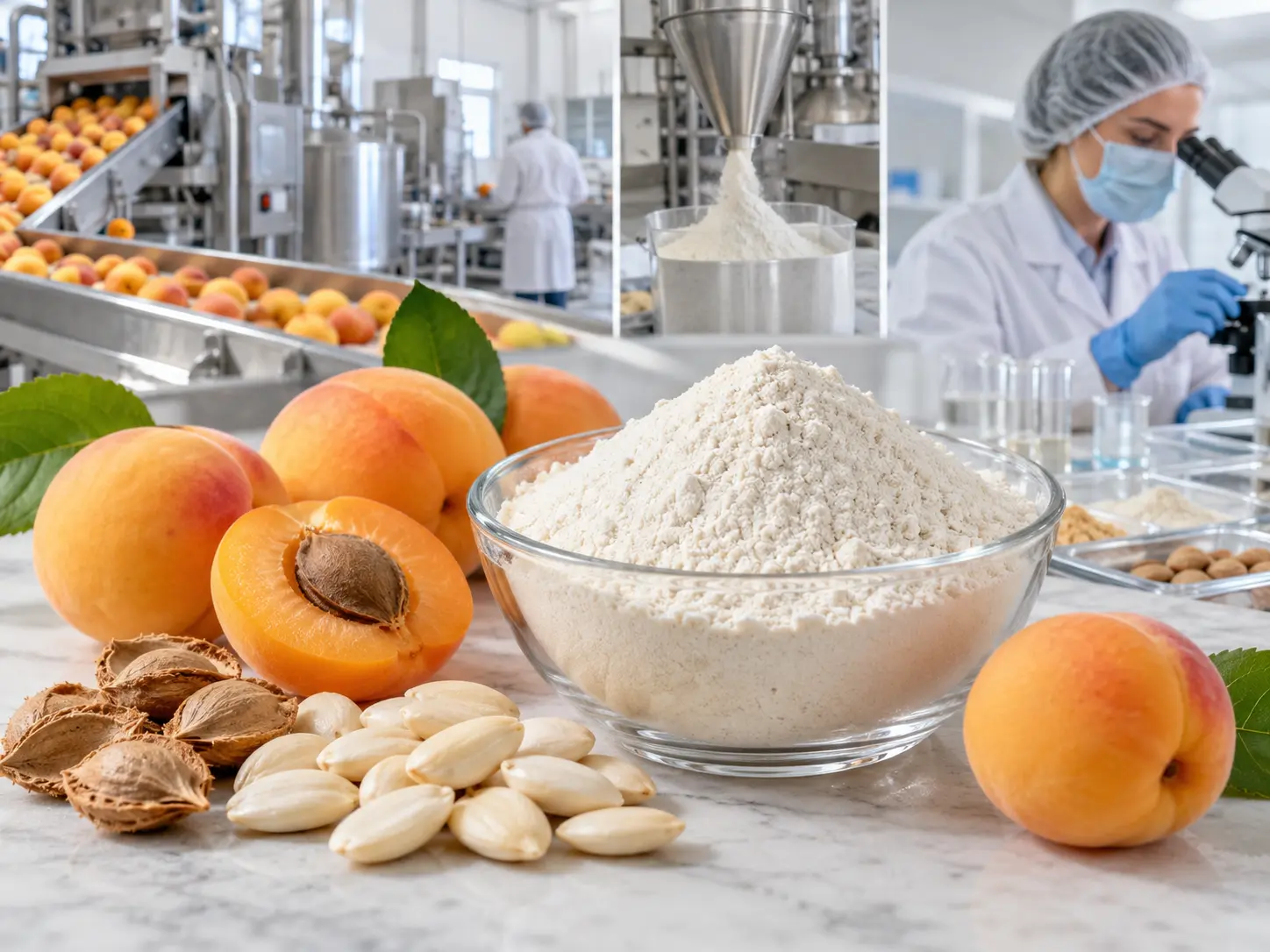
What Is Apricot Kernel Powder Made From?
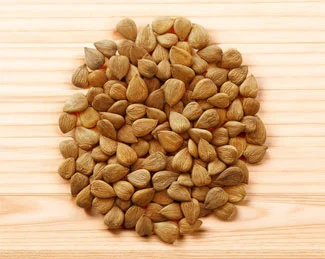
Apricot Kernel Powder is produced from the inner kernel located inside the apricot stone. During production, the kernels typically go through several processing steps, including cleaning, sorting, shell removal, peeling when required, drying, grinding, and particle-size screening.
Different applications require different product specifications:
Food-grade apricot shell powder usually focuses on flavor, moisture control, microbiological quality, and food safety requirements.
Beverage and powdered mix applications require attention to dispersion performance, stability, particle size, and compatibility with other ingredients.
Cosmetic applications often require specific particle size control, purity, and product consistency.
Selecting the correct product grade according to the final application helps manufacturers maintain stable performance during production.
Sweet Apricot Kernel Powder vs Bitter Apricot Kernel Powder
Apricot kernels are generally classified into sweet and bitter types. These two types may differ in natural composition, flavor characteristics, and processing requirements.
Sweet Apricot Kernel Powder typically has a milder flavor profile and is often preferred for applications where a smoother taste is required. Bitter Apricot Kernel Powder has a more noticeable bitter flavor and may require additional consideration regarding processing methods and application requirements.
When purchasing Apricot Kernel Powder, companies should confirm:
Kernel type and raw material characteristics;
Processing methods used during production;
Product specifications and application suitability;
Batch quality information;
Compliance requirements of the destination market.
Clear identification of raw materials helps maintain product consistency and reduces potential issues during commercial production.
Why Processing and Amygdalin Control Matter
Apricot kernels naturally contain amygdalin, and its level may vary depending on kernel variety, origin, and processing conditions.
For products intended for food, beverage, or nutrition-related applications, proper raw material management and quality control are important parts of product evaluation.
Grinding alone does not determine whether Apricot Kernel Powder is suitable for a specific application. A professional production process should include:
Raw material selection and identification;
Removal of foreign materials;
Appropriate processing treatments;
Controlled drying;
Grinding and particle-size control;
Batch testing and quality verification;
Proper packaging and storage management.
A standardized production process helps maintain stable quality and consistency between different production batches.
Quality Control and Testing Requirements for Apricot Kernel Powder
Commercial Apricot Kernel Powder should be supported by clear quality specifications and appropriate testing procedures.
Common quality evaluation items include:
Appearance, color, and odor;
Moisture content;
Particle-size distribution;
Microbiological indicators;
Heavy metals;
Pesticide residues when applicable;
Relevant composition and safety indicators;
Packaging integrity and batch traceability.
Before placing bulk orders, companies should review the product specification and Certificate of Analysis (COA). A complete COA should include testing methods, measurement units, results, and acceptance limits.
Clear quality documentation helps buyers verify product consistency and establish reliable purchasing standards.
Apricot Kernel Powder Requirements for Different Applications
Food and Bakery Applications
Food manufacturers usually focus on:
Raw material identity;
Food safety indicators;
Flavor characteristics;
Moisture content;
Microbiological quality;
Regulatory suitability.
For bakery products, additional application testing may be required to evaluate processing performance and final product quality.
Beverage and Powdered Mix Applications
For beverage and powdered products, additional factors should be considered, including:
Laboratory testing provides important quality information, but practical application trials are also necessary to confirm performance in finished products.
Cosmetic Applications
Cosmetic manufacturers usually pay closer attention to:
Particle size;
Microbial quality;
Purity;
Product consistency.
Apricot Kernel Powder should also be distinguished from Apricot Shell Powder, as they are different materials with different structures and application purposes.
How to Choose the Right Apricot Kernel Powder Product
For long-term commercial supply, stable quality and reliable production control are often more important than short-term price differences.
Before confirming a purchase, companies should consider:
Raw material type;
Processing method;
Available product grades;
Particle size options;
Quality testing procedures;
Sample evaluation results;
Packaging and storage requirements.
Testing samples before bulk purchasing allows manufacturers to confirm product compatibility with their own formulations and reduce production risks.
A suitable Apricot Kernel Powder supplier should be able to provide clear product information, consistent quality standards, and reliable support throughout the purchasing process.
Conclusion
The quality and suitability of Apricot Kernel Powder depend on multiple factors, including raw material selection, processing technology, quality control systems, and final application requirements.
For food, beverage, nutrition, and cosmetic manufacturers, establishing clear product specifications, reviewing quality documentation, and conducting application testing are essential steps to ensure stable and reliable supply.
As an experienced Apricot Kernel Powder supplier, YAOU focuses on providing consistent product quality, reliable batch management, and professional support throughout the sourcing process. By combining strict quality control with customized solutions, YAOU helps global customers select suitable Apricot Kernel Powder products for their specific applications.




 Products
