This guide explains what apricot kernels are, how they are produced, where global demand comes from, and what professional buyers should check before choosing an apricot kernel supplier.
What Are Apricot Kernels?
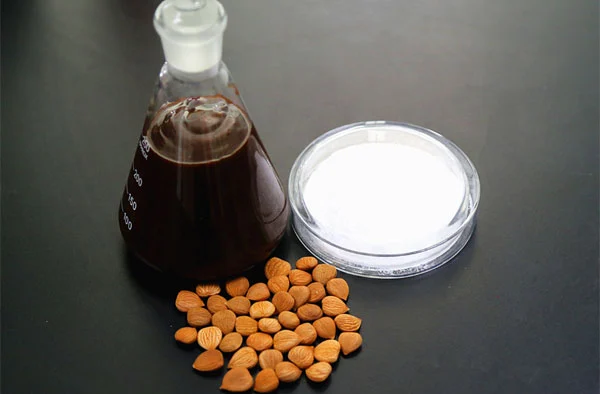
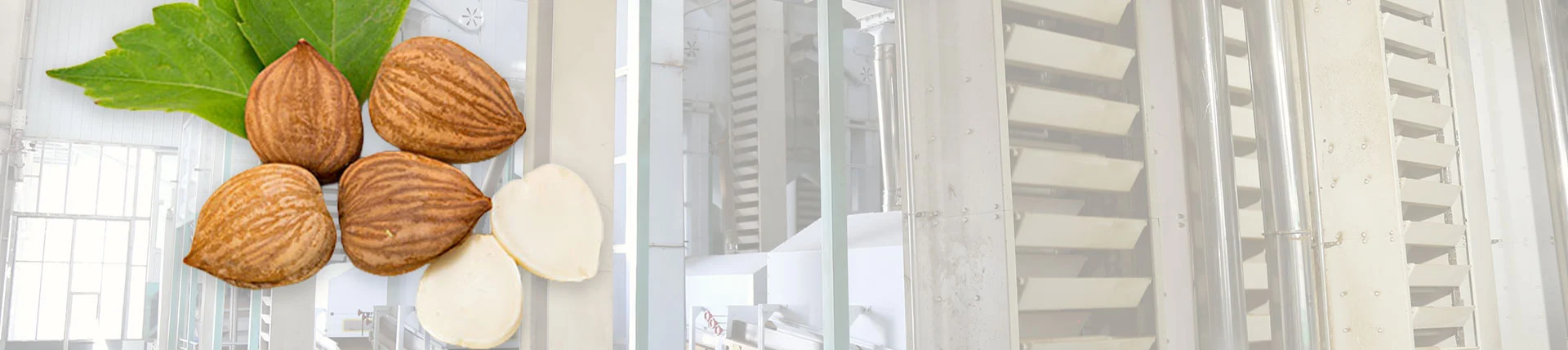
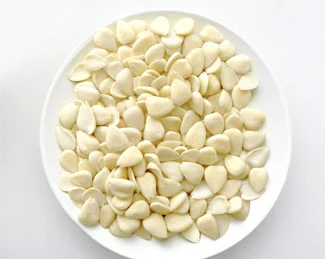
Apricot kernels are the seeds found inside the hard stones of apricot fruit. After the apricot is harvested and the fruit flesh is removed, the pit is cracked to obtain the kernel inside. The kernels are small, almond-like in shape, and can be processed into whole kernels, peeled kernels, de-bittered kernels, powder, oil, protein ingredients, or botanical extracts.
Commercial apricot kernels are generally divided into two major categories: sweet apricot kernels and bitter apricot kernels. Sweet kernels are more commonly used in food and ingredient applications because of their mild nutty flavor. Bitter kernels are more often used in traditional Chinese medicine raw materials, plant extraction, and specialized controlled formulations.
Main Types of Apricot Kernel Products
A professional apricot kernel supplier should be able to match the product format to the buyer’s manufacturing process. At YAOU, common apricot kernel product forms include:
Sweet Apricot Kernels: suitable for food ingredients, snack products, bakery, confectionery, and further processing.
Bitter Apricot Kernels: suitable for TCM raw materials, plant extraction, and controlled specialty applications.
De-Bittered Apricot Kernels: processed to reduce bitterness and improve food-manufacturing usability.
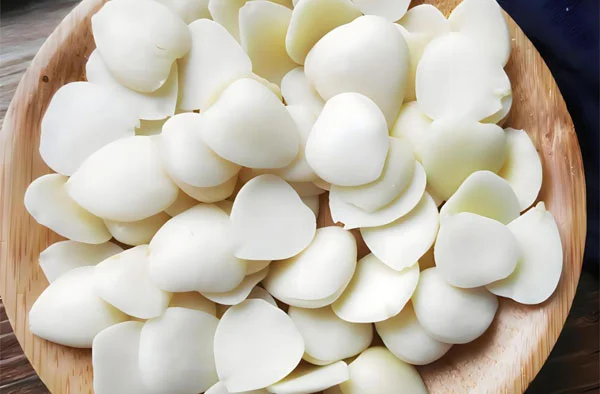
Peeled Sweet Apricot Kernels: useful for premium food products, clean visual appearance, and smoother processing.
Apricot Kernel Powder: suitable for bakery premixes, beverages, nutrition blends, sauces, and cosmetic exfoliating formulations.
Apricot Kernel Oil: used in food, skincare, cosmetic, and personal care formulations.
Bitter Apricot Kernel Extract: used by botanical extract buyers requiring defined specifications and quality markers.
How Are Apricot Kernels Produced?
Apricot kernel production requires careful control from raw material sourcing to final packaging. Poor handling can cause broken kernels, rancid odor, mold risk, inconsistent moisture, foreign matter, or unstable quality between batches.
1. Apricot Sourcing and Harvesting
The process begins with mature apricot fruit. Kernel quality depends on apricot variety, growing region, harvest season, drying conditions, and storage management. A reliable supplier should understand local sourcing patterns and control raw material selection from the beginning.
2. Pit Separation
After the fruit pulp is removed, the apricot stones are collected and dried. Proper drying helps reduce moisture and supports safer storage before shell cracking.
3. Shell Cracking and Kernel Extraction
The hard shell must be cracked carefully to avoid excessive broken kernels. High broken rates reduce product value and can affect sorting, packaging, oil oxidation, and customer acceptance.
4. Cleaning and Sorting
Kernels are cleaned and sorted by size, color, fullness, and defect level. Foreign matter, shell fragments, damaged kernels, moldy kernels, and off-color materials should be removed.
5. Peeling, De-Bittering, Grinding, Pressing, or Extraction
Depending on the buyer’s application, kernels may be peeled, de-bittered, ground into powder, pressed into oil, or extracted into botanical ingredients. Each process requires different technical control points.
6. Drying and Moisture Control
Moisture control is essential for shelf life. Excess moisture can increase the risk of mold and quality deterioration, while over-drying may affect texture and processing behavior.
7. Testing and COA Preparation
Finished batches should be tested according to product type and target market requirements. Common testing items include moisture, impurities, microbiology, heavy metals, pesticide residues, aflatoxins, acid value and peroxide value for oil, and amygdalin or total extractable cyanide when relevant.
8. Packaging and Export Preparation
Apricot kernels should be packed in moisture-proof, clean, and export-ready packaging. For long-distance shipment, packaging should protect against humidity, odor contamination, oxidation, and physical damage.
Health Uses and Industrial Applications of Apricot Kernels
Apricot kernels are used across multiple industries. For responsible B2B communication, manufacturers should describe their value based on nutrition, traditional use, formulation performance, and quality control—not exaggerated disease-treatment claims.
Food and Beverage Applications
Sweet apricot kernels and de-bittered apricot kernels are used in snacks, bakery products, cereal blends, confectionery fillings, sauces, plant-based beverages, and powdered food ingredients. Their mild nutty flavor can help brands develop differentiated products beyond common almond or peanut ingredients.
Nutraceutical and Plant-Based Ingredient Applications
Apricot kernel powder and apricot kernel protein ingredients can support plant-based formulation development. Buyers should focus on protein content, fat content, particle size, microbial control, flavor stability, and oxidation management.
Cosmetic and Personal Care Applications
Apricot kernel oil is valued for its smooth sensory profile in creams, lotions, massage oils, hair care products, and other personal care formulations. Apricot kernel powder can also be used as a natural exfoliating ingredient in scrub-style products.
Traditional Chinese Medicine Raw Materials
Bitter apricot kernels are used as traditional Chinese medicine raw materials. For this application, buyers should focus on botanical identity, processing method, active-marker control, storage condition, contaminant testing, and regulatory documentation.
Plant Extraction
Extract manufacturers may use bitter apricot kernels for specific botanical extract projects. In this case, supplier communication should include extraction ratio, active marker range, processing method, residual solvent control, and intended application.
Safety Note for Buyers
Bitter apricot kernels naturally contain amygdalin and related cyanogenic compounds. Buyers should not treat bitter kernels as ordinary snack nuts. Always confirm the intended market, product category, safety testing, and legal requirements before placing bulk orders.
Global Demand for Apricot Kernels
Global demand for apricot kernels is driven by several overlapping markets: food ingredients, plant-based nutrition, traditional herbal materials, botanical extracts, cosmetic oils, and natural personal care ingredients.
In food manufacturing, sweet apricot kernels are valued for their mild flavor and nut-like texture. In cosmetics, apricot kernel oil is used in moisturizing and skin-feel formulations. In traditional herbal markets, bitter apricot kernels remain important because of their established raw material identity. In plant extraction, buyers look for stable botanical sources and controlled active-marker specifications.
For buyers, global demand also creates supply-chain pressure. Seasonal harvest changes, origin differences, logistics costs, contaminant requirements, and regulatory updates can all affect availability and price. This is why a supplier with sourcing, processing, testing, and export experience is more valuable than a simple trader.
Factors to Consider Before Choosing an Apricot Kernel Supplier
1. Product Range and Application Matching
A strong supplier should offer more than one generic apricot kernel product. Different buyers need sweet kernels, bitter kernels, peeled kernels, de-bittered kernels, powder, oil, or extract. The supplier should understand which format fits food, cosmetic, TCM, or extraction applications.
2. Raw Material Sourcing Ability
Ask where the kernels are sourced, how seasonal quality is controlled, and whether the supplier has stable raw material acquisition channels. Consistent sourcing helps reduce batch variation.
3. Processing Capability
Processing capability affects kernel appearance, broken rate, bitterness, particle size, oil quality, moisture, and shelf life. A supplier with real processing experience can support customized specifications more effectively than a trading-only company.
4. Food Safety and Contaminant Control
Professional buyers should confirm testing for microbiology, heavy metals, pesticide residues, aflatoxins, foreign matter, and moisture. For bitter apricot kernels and products containing them, cyanogenic compound control is especially important.
5. Batch-Specific COA
A reliable supplier should provide a certificate of analysis based on actual batch testing. Avoid relying only on a generic specification sheet when purchasing food ingredients, extract raw materials, or herbal materials.
6. Regulatory Awareness
Apricot kernel regulations may vary between markets. Food buyers in North America, Europe, the Middle East, Southeast Asia, and other regions may face different testing, labeling, and safety requirements. Your supplier should be willing to discuss target-market compliance.
7. Traceability and Documentation
Traceability should include origin, batch number, production date, processing method, packing date, shelf life, and shipment documents. This is especially important for importers, distributors, and brand owners.
8. Packaging and Logistics
Apricot kernels are sensitive to moisture, odor contamination, and oxidation. Ask about inner bags, outer cartons, kraft bags, vacuum or nitrogen options, palletization, container loading, and storage recommendations.
9. Sample Support and Technical Communication
Before placing a bulk order, request samples and compare appearance, flavor, moisture, particle size, processing performance, and odor. A good supplier should help you evaluate which grade is most suitable for your production line.
10. Long-Term Supply Stability
Stable supply matters more than a one-time low price. Confirm production capacity, seasonal availability, lead time, export experience, and whether the supplier can support repeat orders with consistent specifications.
Why Choose YAOU as Your Apricot Kernel Supplier?
Chengde Yaou Nuts & Seeds Co., Ltd. is located in northern China, a region with strong apricot kernel sourcing and processing advantages. The company integrates apricot kernel acquisition, processing, and sales, supporting buyers across food ingredients, plant extracts, traditional Chinese medicine raw materials, and related natural product industries.
Integrated Apricot Kernel Product Range
YAOU supplies sweet apricot kernels, bitter apricot kernels, de-bittered apricot kernels, peeled kernels, apricot kernel powder, apricot kernel oil, apricot kernel protein, and bitter apricot kernel extract. This gives buyers more flexibility when developing different finished products.
Practical Processing Experience
Because apricot kernels require sorting, drying, cracking, peeling, de-bittering, grinding, pressing, or extraction depending on application, real processing experience is critical. YAOU focuses on practical product performance instead of only commodity trading.
Support for Multiple Industries
YAOU serves buyers in food, pharmaceutical, nutraceutical, herbal ingredient, plant extract, and cosmetic-related supply chains. This cross-industry experience helps us understand different quality expectations and documentation needs.
Buyer-Oriented Quality Communication
Different markets require different specifications. YAOU can discuss product type, processing method, testing requirements, packaging, order quantity, and target-market expectations before shipment.
Looking for a Reliable Apricot Kernel Supplier?
Share your product application, preferred kernel type, target market, annual demand, and required documents. YAOU will help you select the right apricot kernel specification for your business.
Request Apricot Kernel Specifications
FAQs About Choosing an Apricot Kernel Supplier
What is the difference between an apricot kernel supplier and an apricot kernel trader?
A supplier with processing capability can usually provide better control over sorting, peeling, de-bittering, drying, powdering, oil pressing, packaging, and quality documentation. A trader may only source finished goods from other factories.
Which apricot kernel type is best for food manufacturing?
Sweet apricot kernels, peeled sweet kernels, de-bittered kernels, and apricot kernel powder are commonly suitable for food manufacturing. The best choice depends on flavor, texture, processing method, and local regulations.
Can I buy bitter apricot kernels for direct snack products?
Bitter apricot kernels require stricter safety and regulatory control because they contain amygdalin and related cyanogenic compounds. For ordinary snack products, sweet or de-bittered kernels are usually more suitable.
What tests should be included in an apricot kernel COA?
Common COA items include moisture, impurities, microbiology, heavy metals, pesticide residues, aflatoxins, and sensory indicators. For bitter kernels, amygdalin or cyanide-related testing may be required by the buyer or target market.
Can apricot kernel suppliers provide customized processing?
Yes. Depending on supplier capability, customization may include peeling, de-bittering, grinding, particle size control, oil pressing, extract specification, packaging, and private-label support.
How should apricot kernels be stored?
Apricot kernels should be stored in a cool, dry, clean, and well-ventilated place, away from moisture, strong odors, direct sunlight, and high temperatures. Oil and powder products may require stronger oxidation control.
What information should I provide when requesting a quotation?
Provide your product type, target application, destination country, order quantity, packaging preference, testing requirements, delivery terms, and whether you need samples or customized specifications.

 Products
